Cargo Introductory Course
The IATA-aligned introduction to air cargo. Learn how freight moves around the world, and how to handle, document and route it correctly.
Course overview
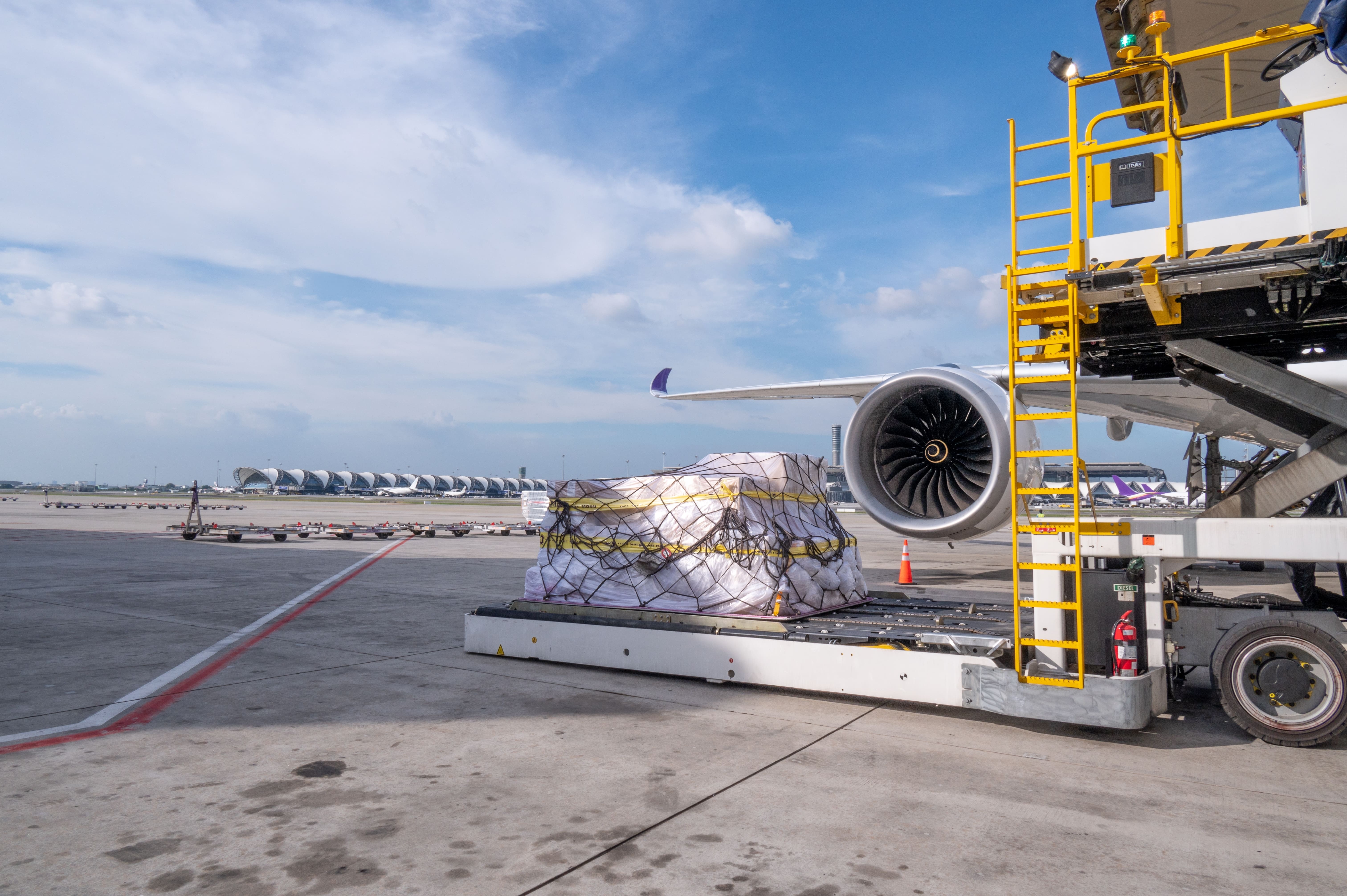
Air cargo keeps global trade moving. From fresh flowers leaving Kilimanjaro to electronics arriving at Julius Nyerere International, every shipment needs trained people to accept it, document it, load it and track it.
This six-month introductory course covers the full cargo journey, taught against the industry-standard syllabus of IATA (the International Air Transport Association). By the end of it, you will be ready to work as a cargo agent at an airline, freight forwarder or ground handler.
Who this course is for?
- School leavers entering the freight and logistics industry.
- Ground staff who handle cargo and want a formal qualification.
- Freight forwarder staff seeking IATA-aligned training.
What you'll be able to do
- Explain how the global air cargo network operates.
- Accept and document general cargo correctly.
- Apply IATA rules to common shipment types.
- Use the TACT (The Air Cargo Tariff) rates and rules in practice.
- Handle special cargo categories at an introductory level.
- Communicate with shippers, carriers and customs.
Entry requirements
- Form IV certificate with a pass in English.
- Basic computer literacy.
- Application form, copy of ID/passport and one passport photo.
The journey
What you'll learn, module by module
Every module mixes classroom teaching with practical exercises drawn from real airline operations. Tap any module to see its topics.
Full module-by-module syllabus available in the course brochure.
Fees and qualification
Pay in full at enrolment or in flexible instalments. We accept bank transfer and mobile money. Here's what it costs, and what you'll graduate with.
Total course fee
TSh 2,500,000
Tuition for the full course, in Tanzanian Shillings (TSh).
- Registration fee
- Non-refundable, paid on application.
- What's included
- Tuition, facility access and examination preparation materials.
- Payment plan
- Flexible instalment plan available. Ask admissions for terms.
Your qualification
An IATA certificate on successful completion, plus a course transcript listing the modules and assessments you passed.
- Recognised by employers across the region
- Issued on the day of graduation
- Awarded by a TCAA-approved training organisation
Questions about this course
What are the entry requirements?+
For our six-month courses, you need a Form IV certificate with passes in English and (for Flight Ops) Mathematics, plus basic computer skills. Our one-day awareness courses are open to all aviation and airport staff with no prior qualifications required.
How are fees paid?+
Course fees can be paid in full at enrolment or in flexible instalments agreed with admissions. We accept bank transfer and mobile money. A receipt is issued for every payment.
Does the Cargo Introductory course give an IATA certificate?+
The course is taught against the IATA syllabus and prepares students for the IATA examination, which is sat at the end of the course.
When does the next intake start?+
We run two intakes a year for the six-month courses, and monthly intakes for the one-day awareness courses. The exact dates are listed on each course page, get in touch if you'd like us to hold a place for you.
Enquire about Cargo Introductory Course
Tell us a little about yourself and we'll get back to you within one working day. No commitment, we'll just answer your questions.
- No application fee at enquiry stage
- Routed directly to our admissions team
- Reply within one working day
Other courses
All courses
Flight Operations Officer
Elevate your aviation career with the Flight Operations Officer course, our most comprehensive training programme.
Dangerous Goods Awareness
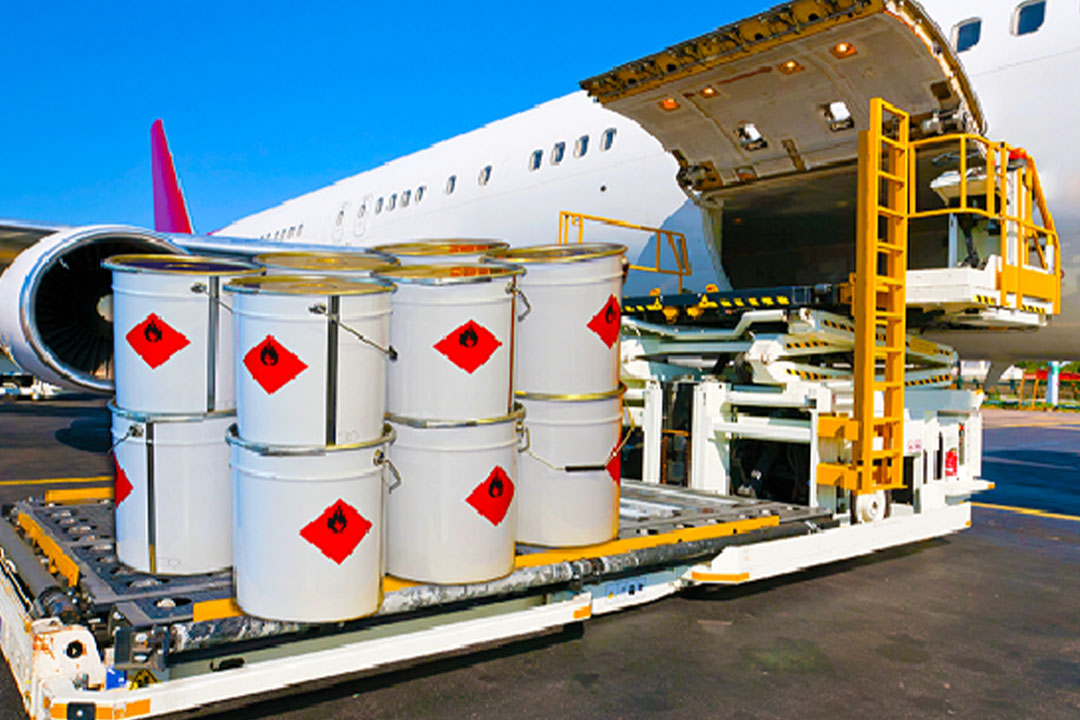
A one-day awareness course for everyone who works around aircraft, cargo or passengers. Learn how to spot dangerous goods, and what to do next.
Aviation Security Awareness
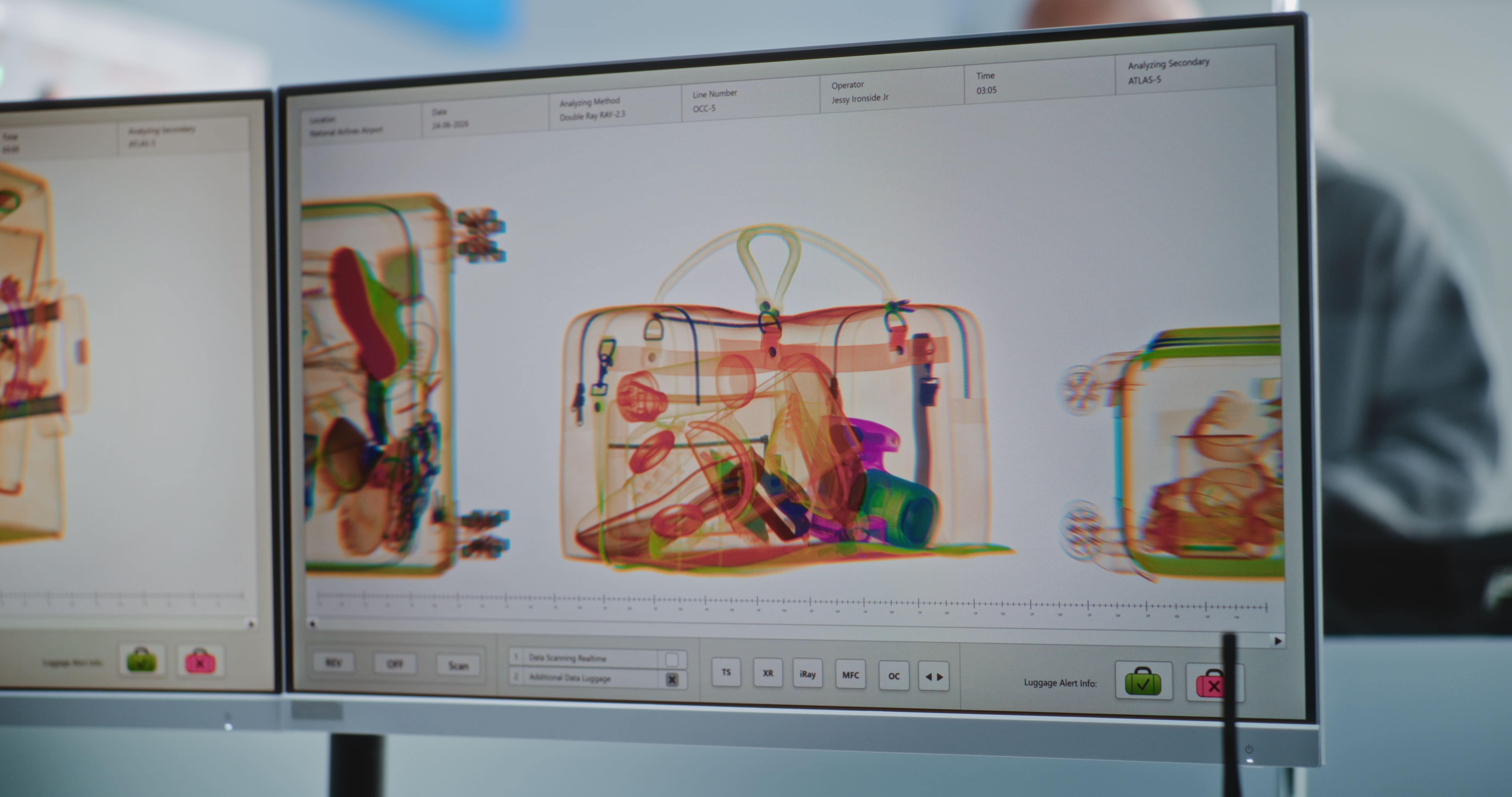
A one-day awareness course covering the security responsibilities every airline and airport worker shares, and the threats they need to know about.